
Papermaking in Japan
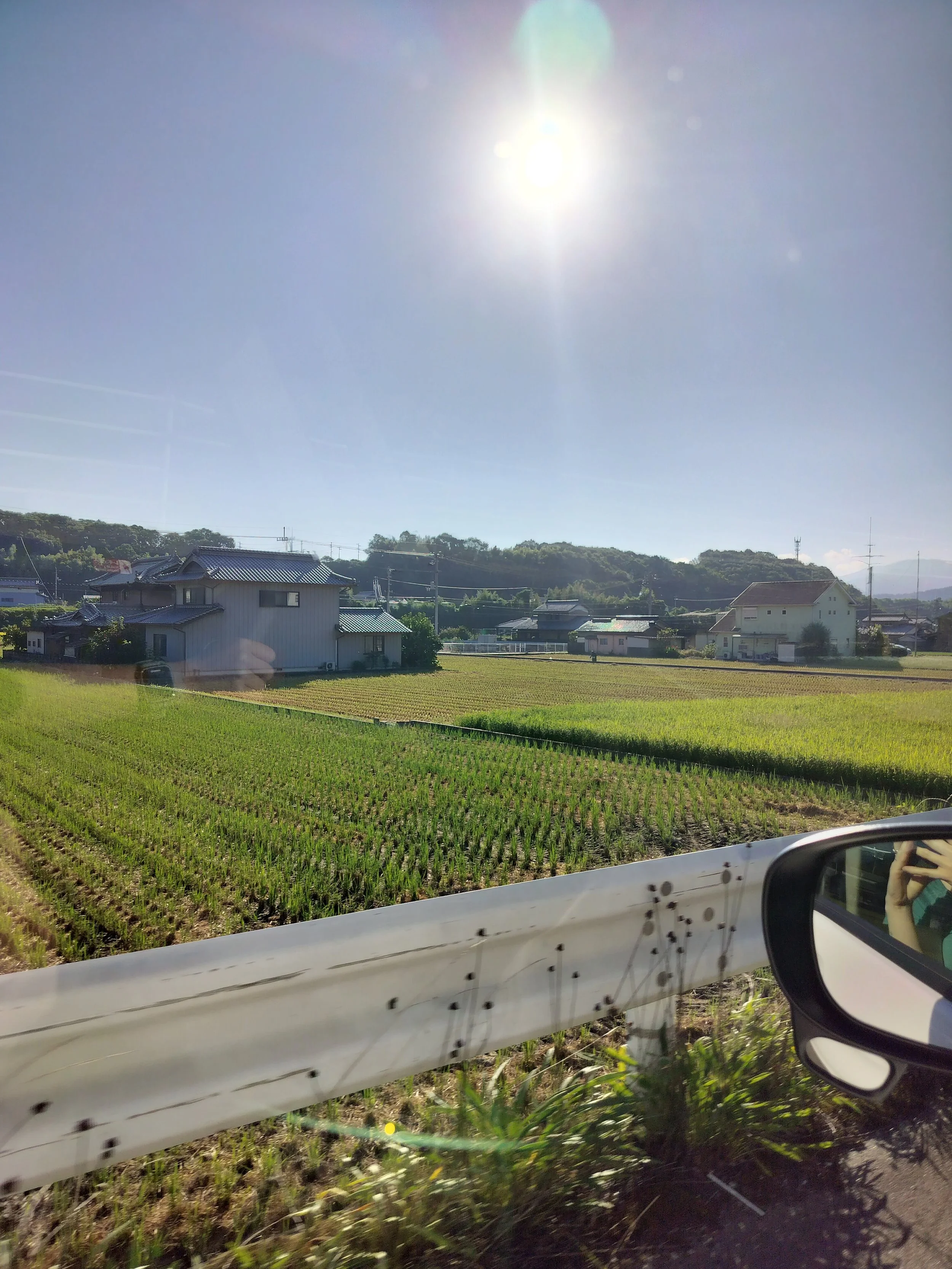
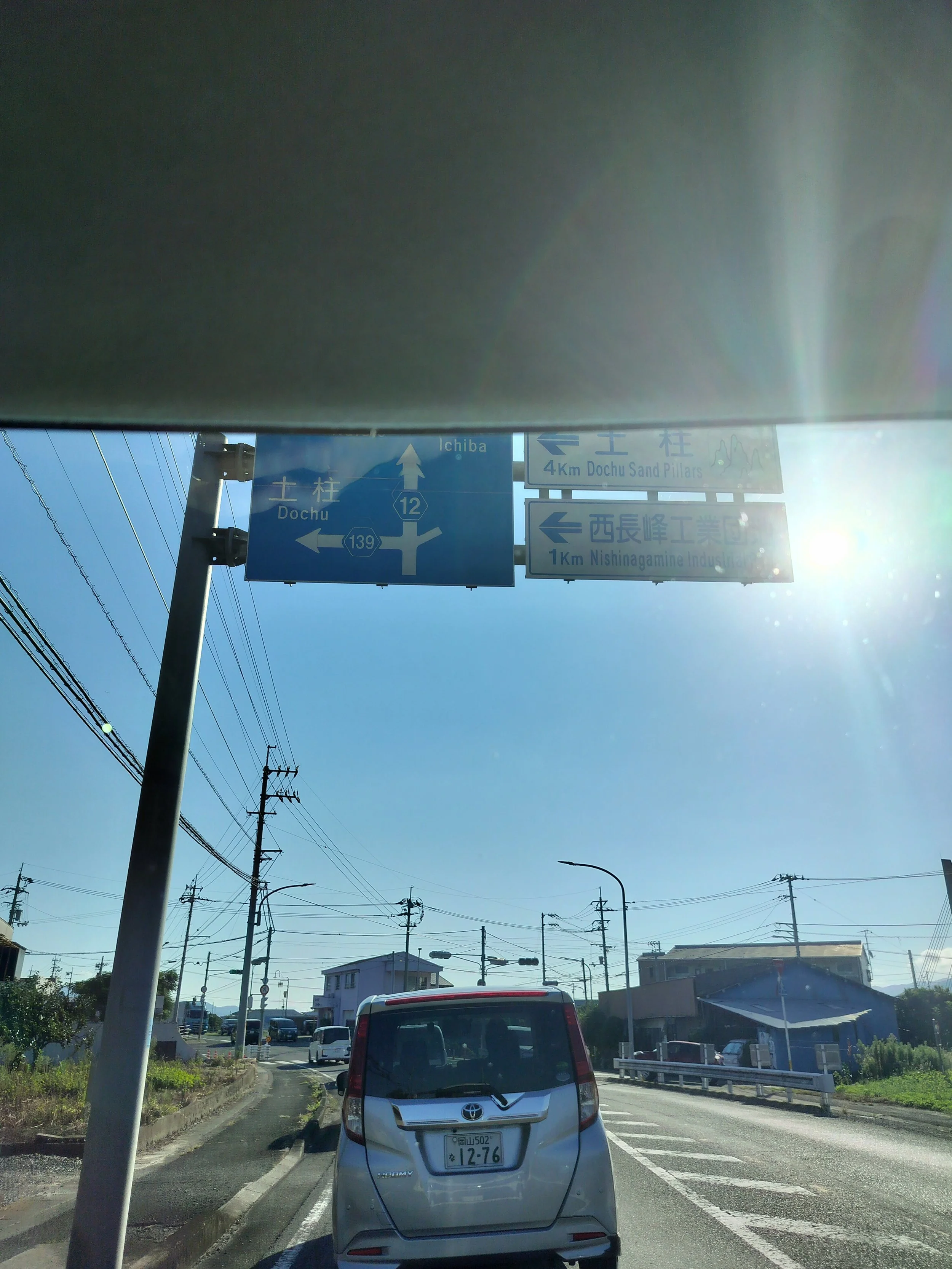
Imagine this: it’s 9 in the morning, cicadas are screaming, it’s about 29 degrees Celsius, the sweat and humidity of the day is already clinging to your skin, tall forest-covered mountains tower to your left and even more tower to your right, you’re in a tiny rented Toyota car with your friend driving down country roads and rice fields with google maps up, trying to find a sunflower field (spoiler, not the right season for them) and eventually a specific workshop.
That was me, months and months ago, on the 13th (a Friday!) of September, 2024, in Tokushima, Japan.
Our destination? Awagami Paper Factory.
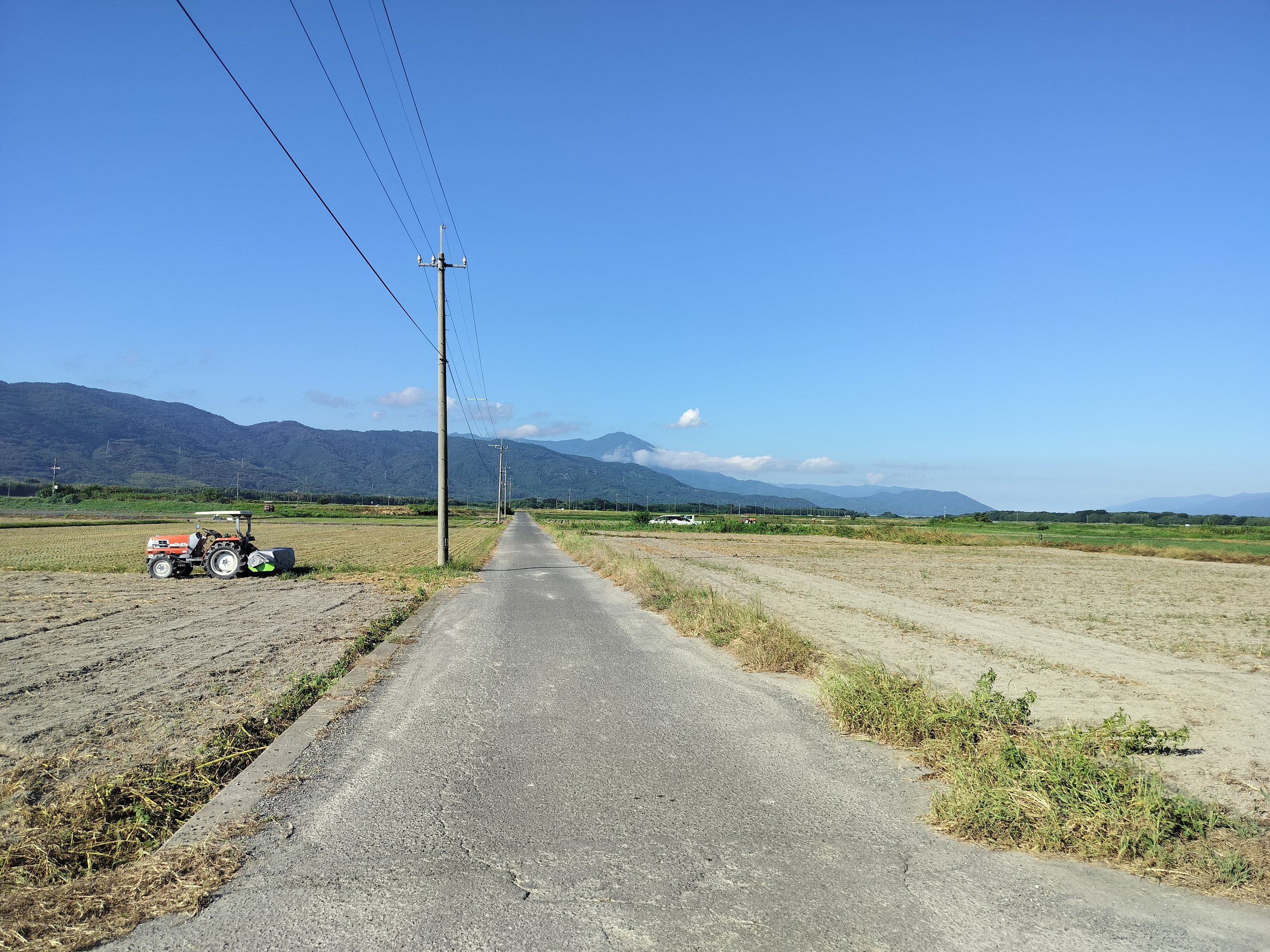
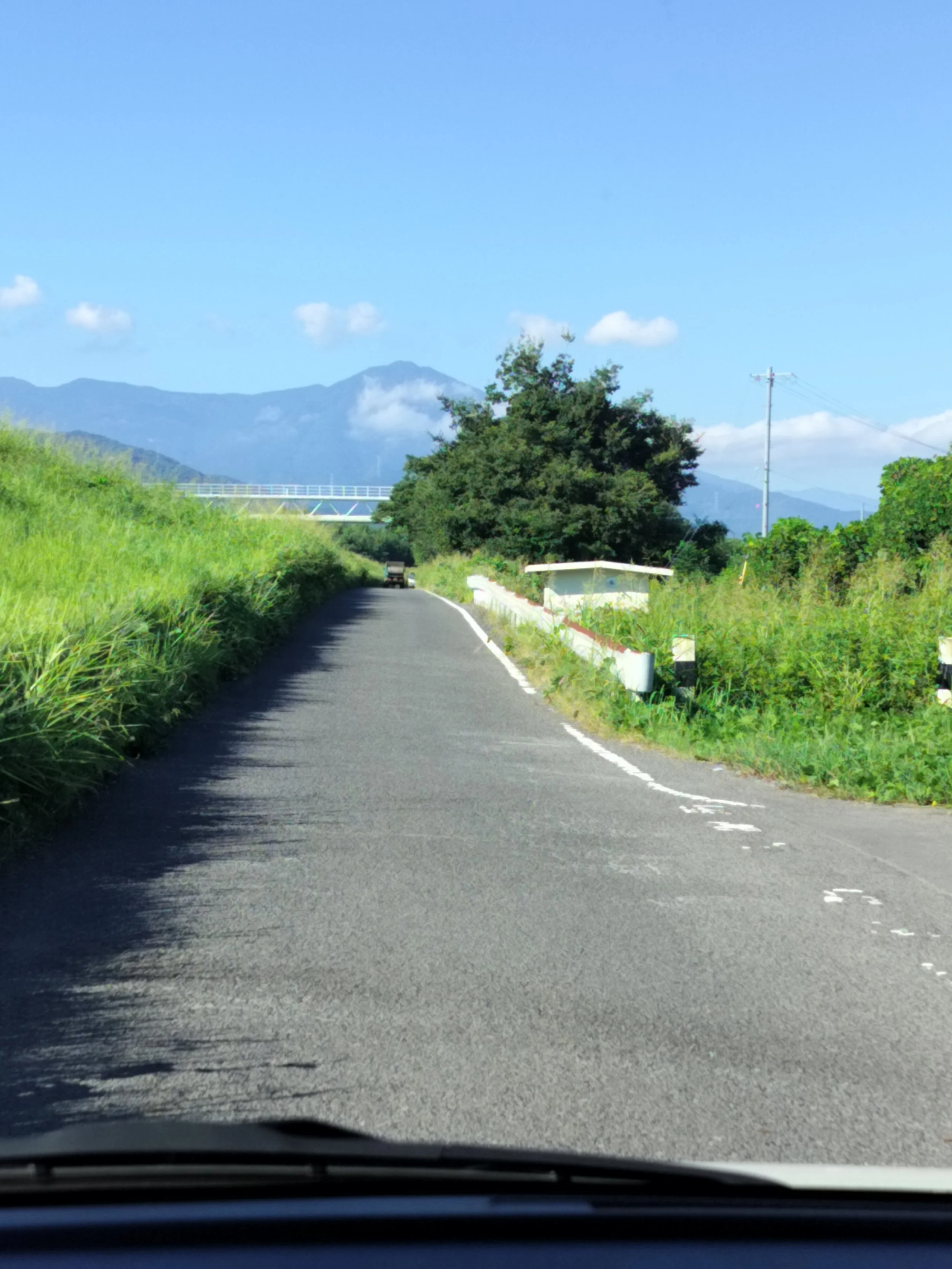
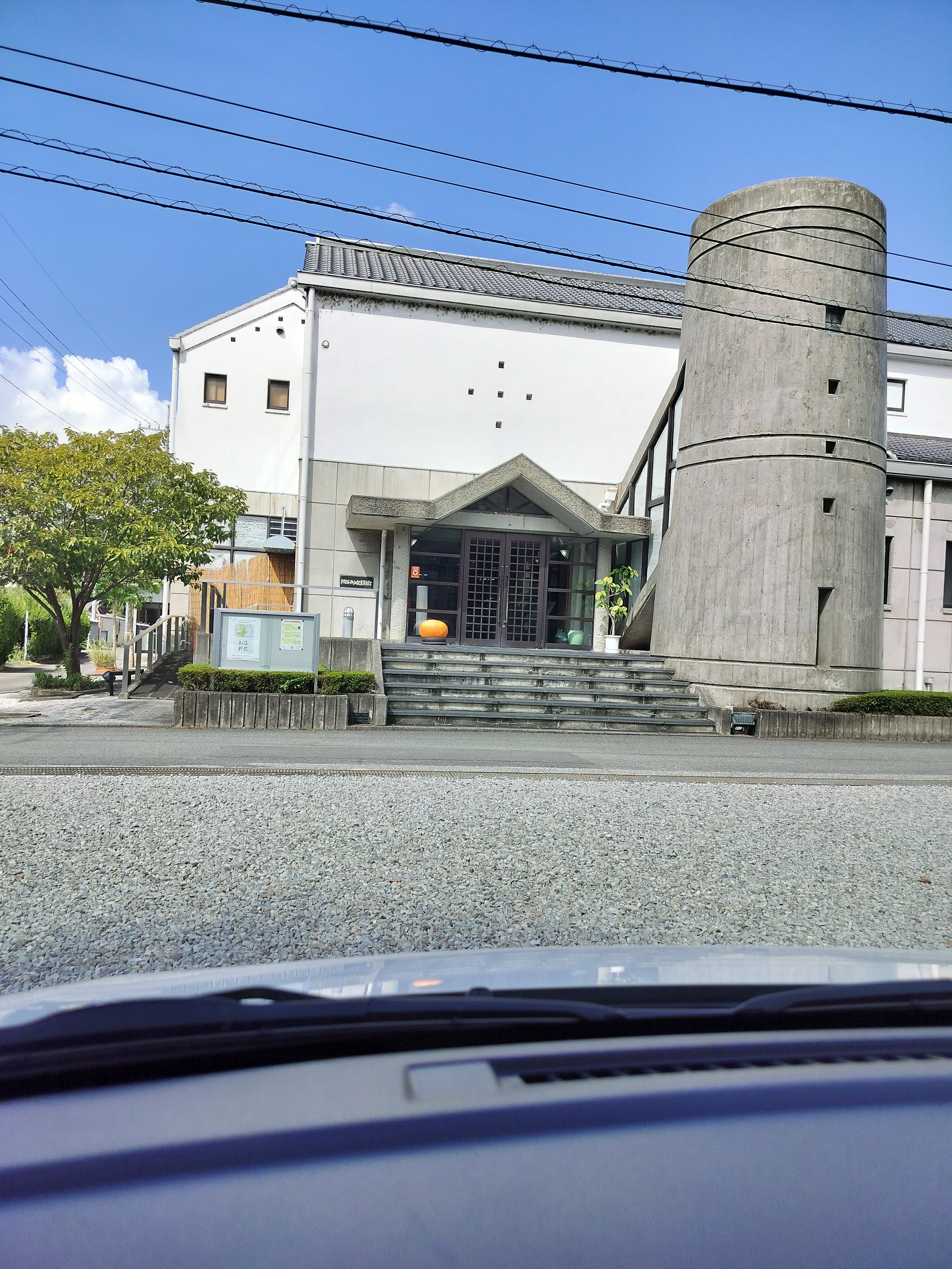
Awagami Factory had been on my radar for some time. This went all the way back to art college where our printmaking studio technician (Shout out to Pam!) sold us different papers at a reduced price. There were a lot of papers to choose, all dependent on what kind of printing technique you would be using it for. Awagami was one of them —not that I used them, I went for the much thicker Fabriano paper at the time, not realising how durable Japanese paper can be and how it was perfect for the woodblock printing I was doing at the time. I know better now, I’m more informed.
And as I became more involved and interested in Mokuhanga, their name kept coming up. Again and again. Curious, I looked them up and thought “Hey, they do workshops, wouldn’t that be fun to do?“
Of course, Japan is very far away from Ireland. I put it to the back of my mind.
Until a friend of mine suggested an Asia trip. Originally we were thinking of going to a bunch of places, Japan, South Korea, China etc. but we settled just for Japan in the end. And I though, ooh, maybe we could try visit that Awagami Factory place?
Tokushima was far from Kyoto and Tokyo where most of our plans were centered on. But I had planned to get a few buses and trains to get down there… which fell through due to travel exhaustion and the reality of how much travel and reliance on public transportation that would need. Disheartened, I cancelled.
And then my sister, who was also on the trip with us, flew home. All three of us (her, me, our friend) had only made plans up until then because we all had different flight dates. So, the two of us had nothing planned for the next four or five days or so.
My friend went to the tourist office, grabbed a bunch of pamphlets and we started reading. Tokushima was one of them. And she knew how to drive.
In the end, miraculously, the opportunity presented itself to me again. She rented a car and off we went, from Osaka to Tokushima.
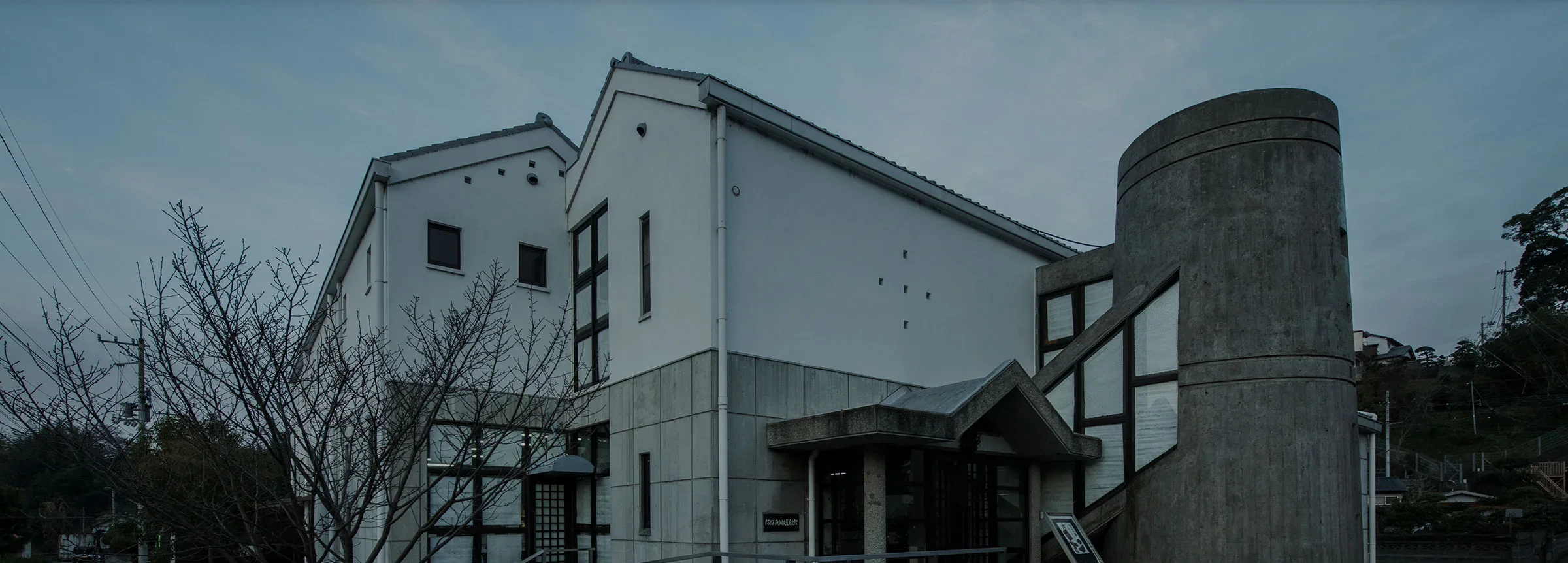
Picture taken from the Awagami Factory website. (I do not own this image). It was a lot sunnier when we were there!
While my friend decided to go for a hike nearby, I entered and was so glad they had air-conditioning.
From what I can remember, there were a few different options that you could choose from. With a guided workshop, you could make 4-5 postcard sized pieces of paper, incorporating pre-cut multi-coloured washi into their design. All of which you could take home. Or, after getting a short induction into the papermaking technique, make as many pieces of paper as you want/can in two hours. I went with the second option.
I hadn’t booked ahead but luckily they weren’t too busy, although they did have a big youth group coming in about an hour or so. The instructor for that group was there, had some free time before they arrived, and said he’d take me on and show me how everything was done.
The instructor’s name was Sawano (if I’m remembering that correctly, it was a while ago and I unfortunately never wrote it down) but he preferred to go by Mickey —which suited him great because of his smiley disposition!
After the induction (which included a short description of how paper is made and the different materials and equipment used) he moved on to showing me how to add the kozo fibers to the water baths and agitating the mixture so that you can get a clean scoop with your frame. I cannot express how rejuvenating it was to dunk my hands, all the way up to my elbows, into cold water while in that intense summer heat. Absolute heaven.
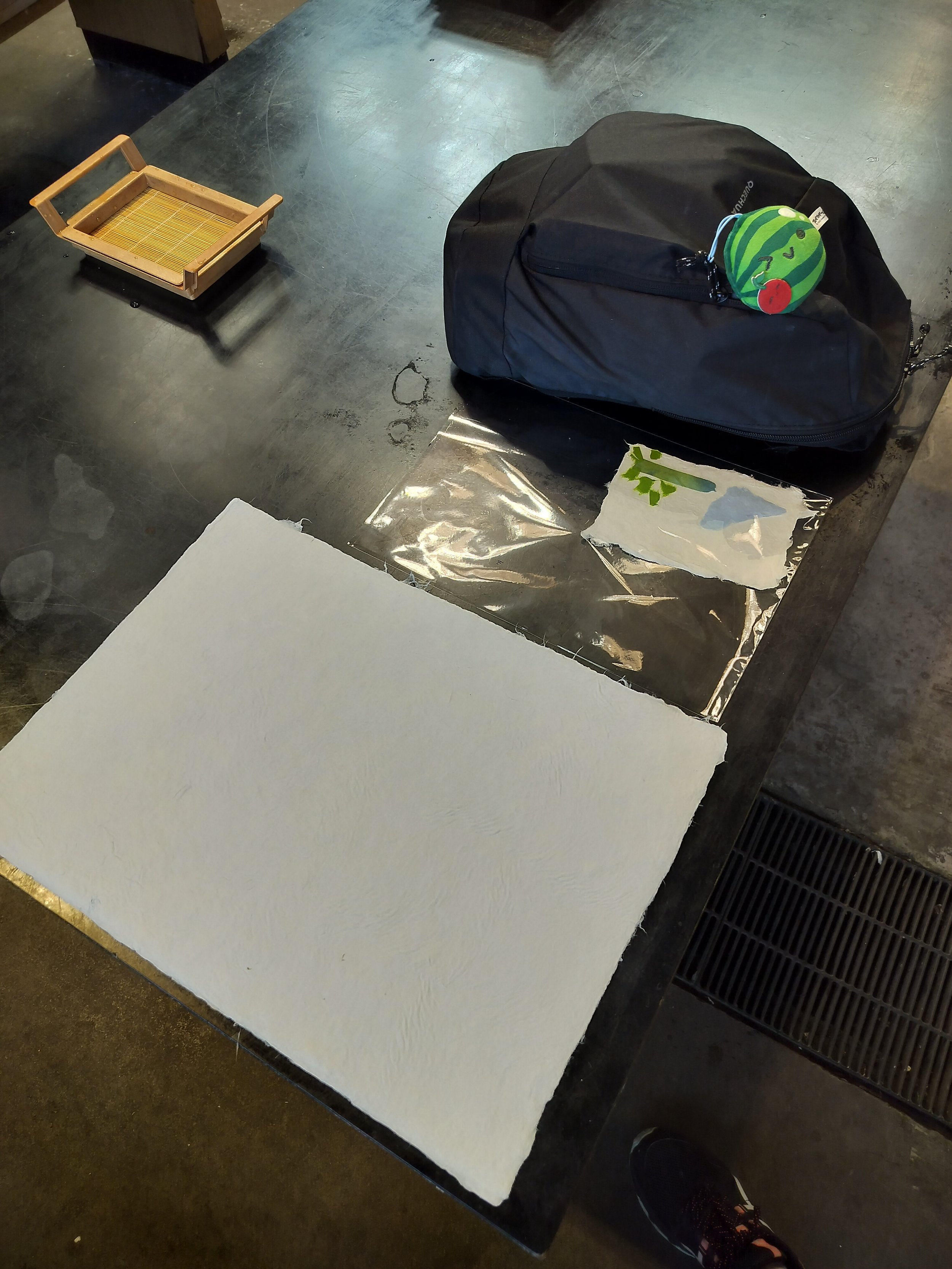
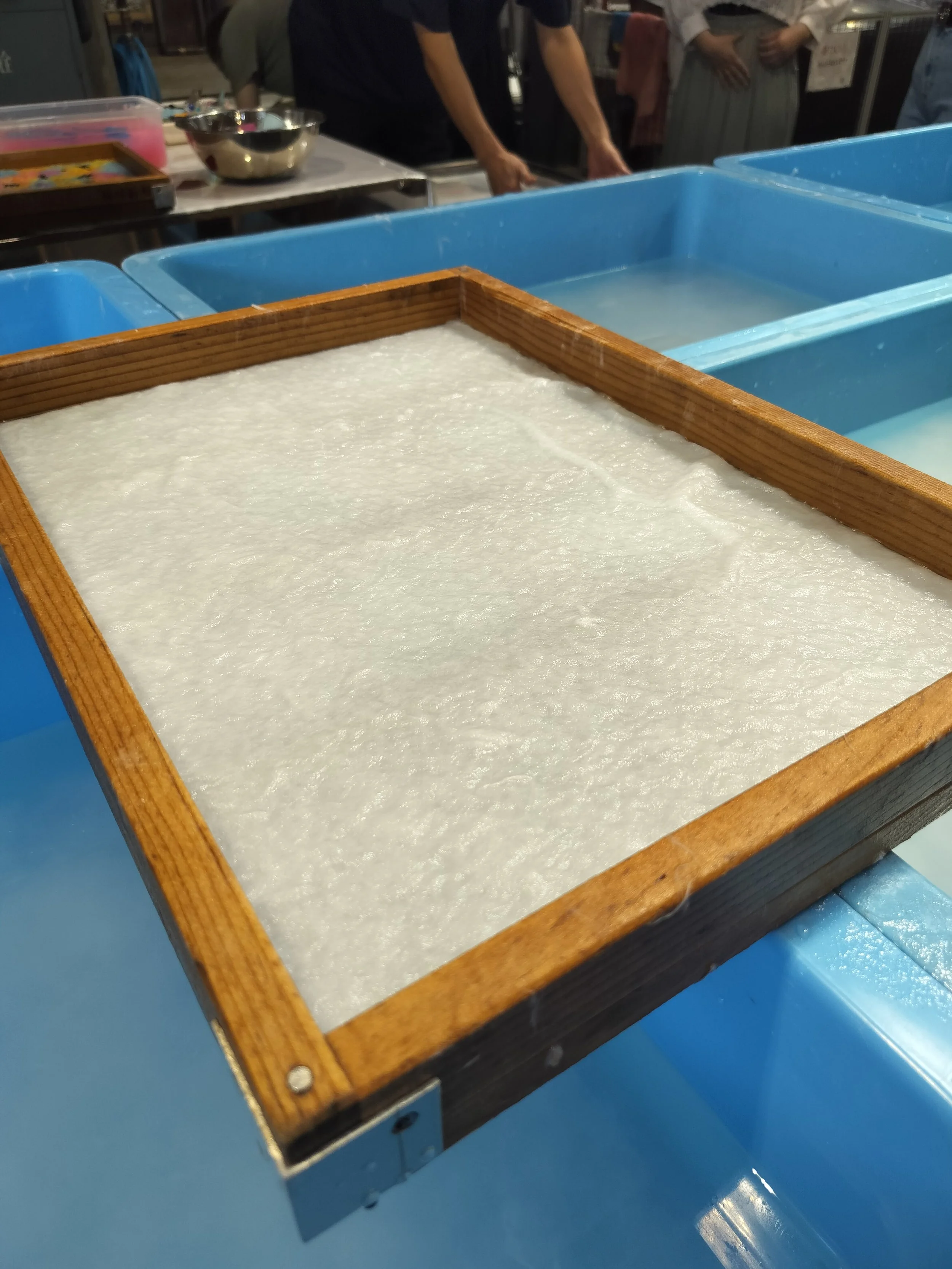
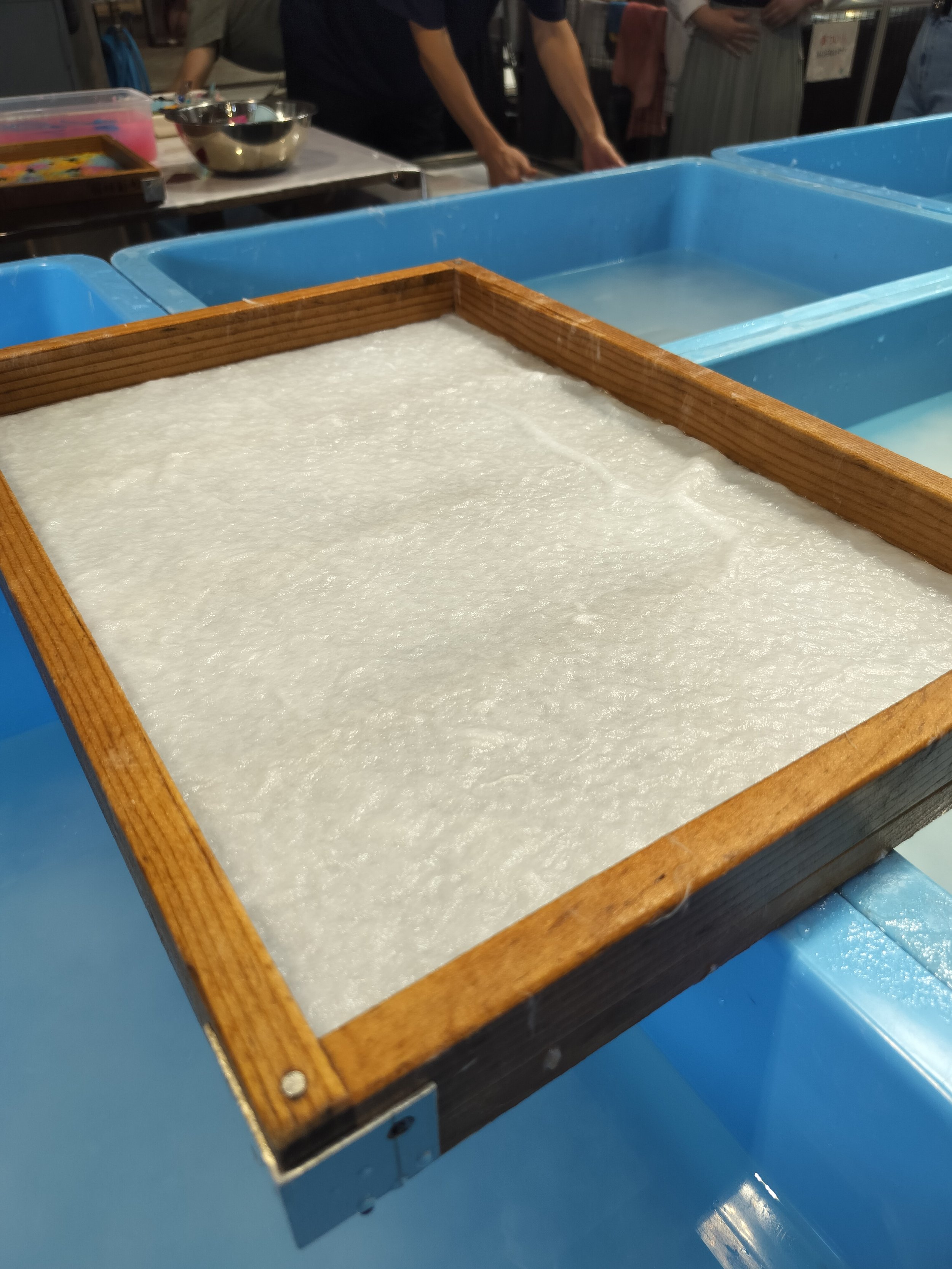
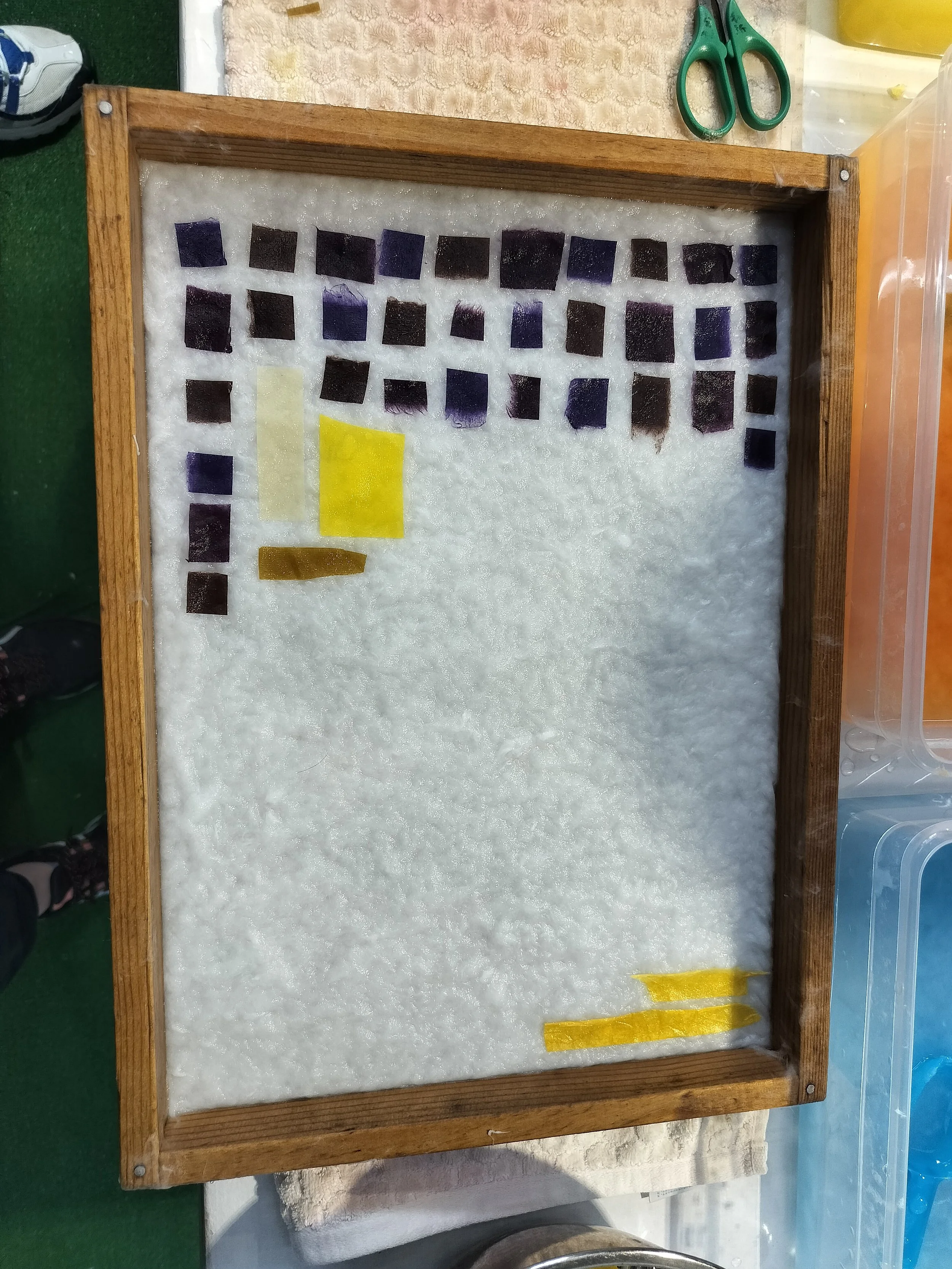
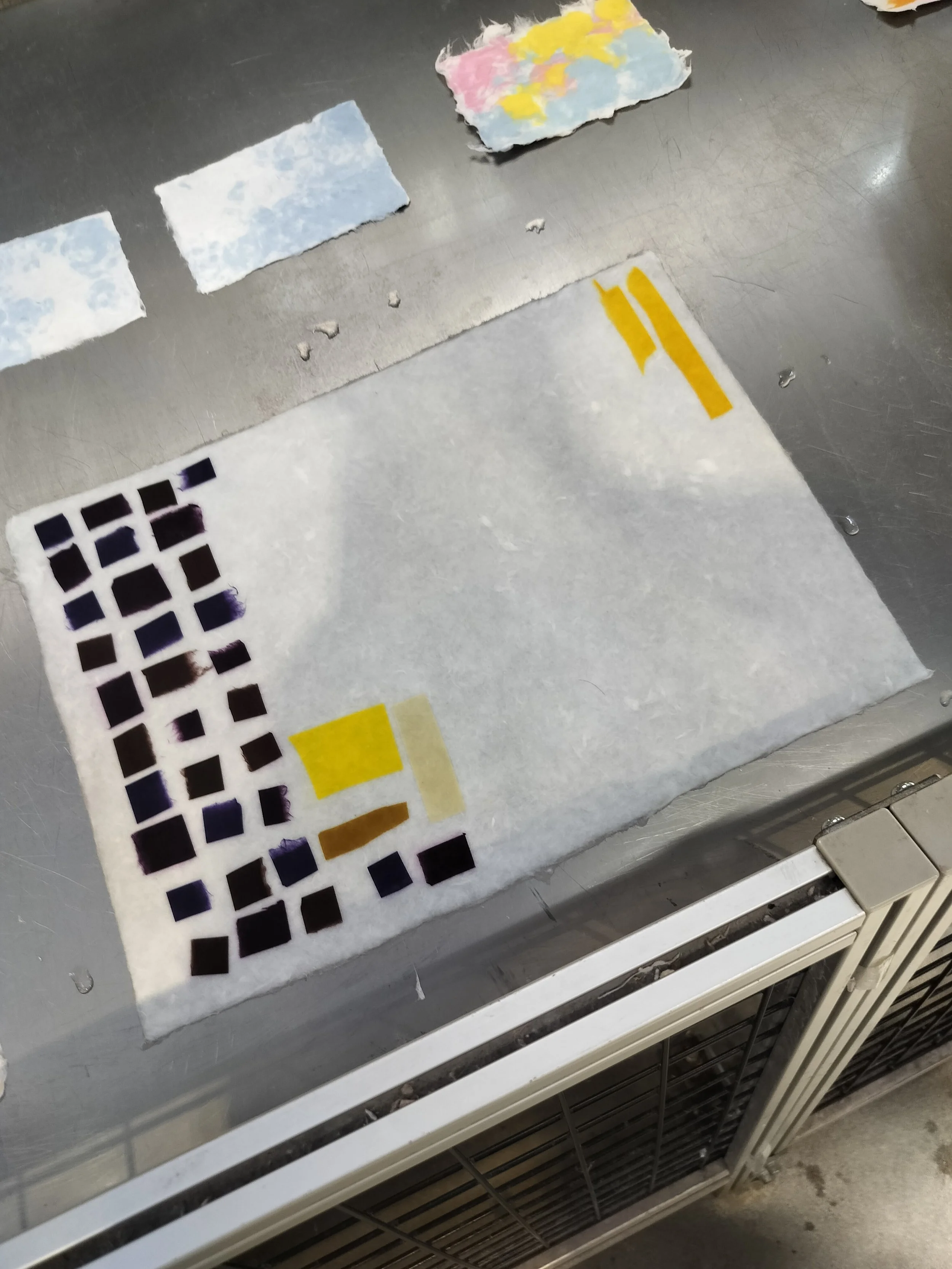
It was great having an instructor all to myself because I got his undivided attention and could ask as many questions as I wanted. I must say, it’s a lot harder than he made it look! Every time I slid my frame into the bath, scooped up the watery mixture, and shuffled the frame back and forth to evenly distribute the fibers, I always ended up with a bumpy line.
Every. Time.
But it was such a joy.
Eventually, that big youth group came and Mickey turned his attention to them and their postcards, leaving me to my own devices, which suited me just fine. I ended up with 10 sheets of hand-made paper by the end of the two hour session. (Production really slowed down once the group came and I had to wait to use the drying area.)
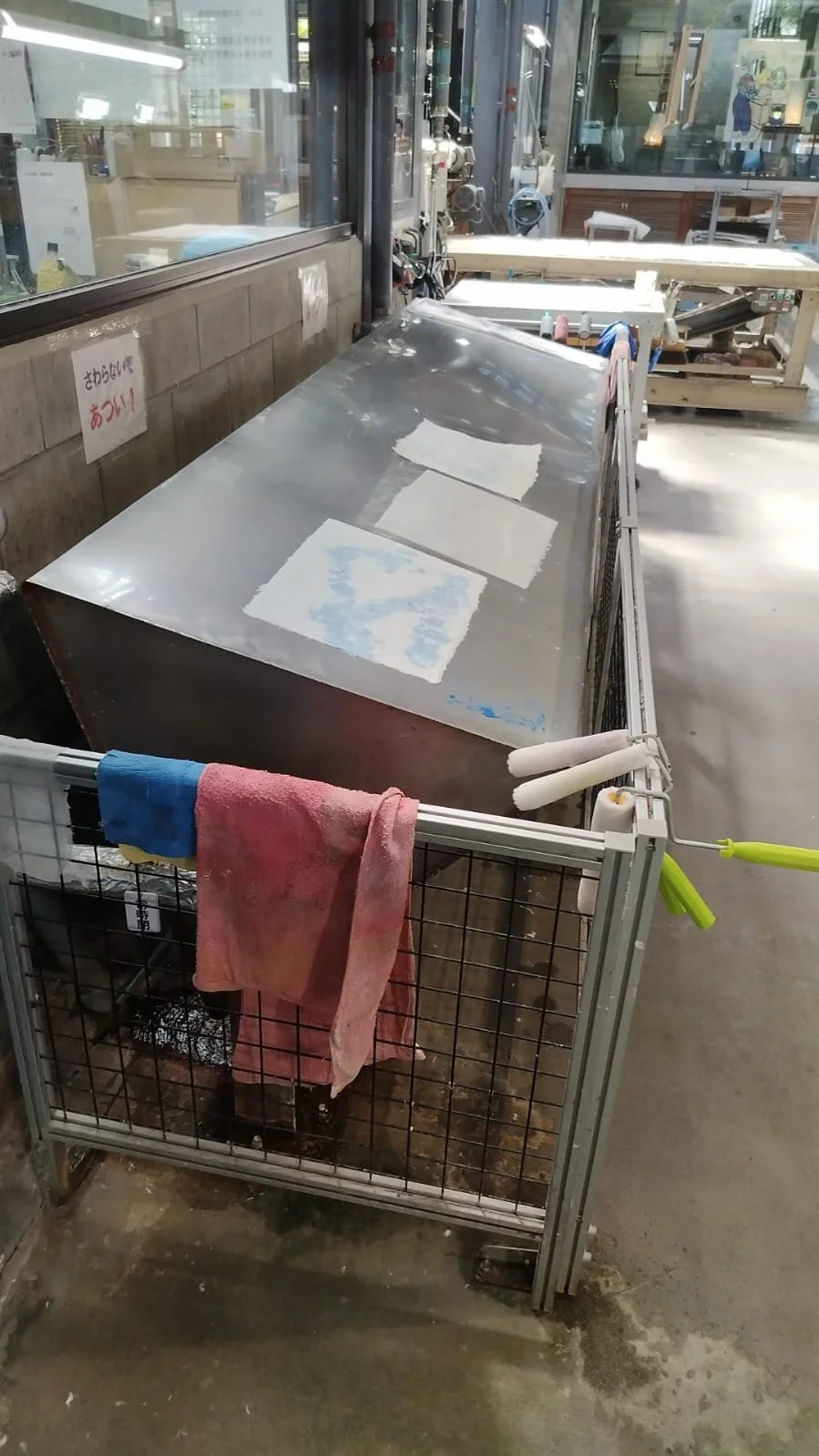
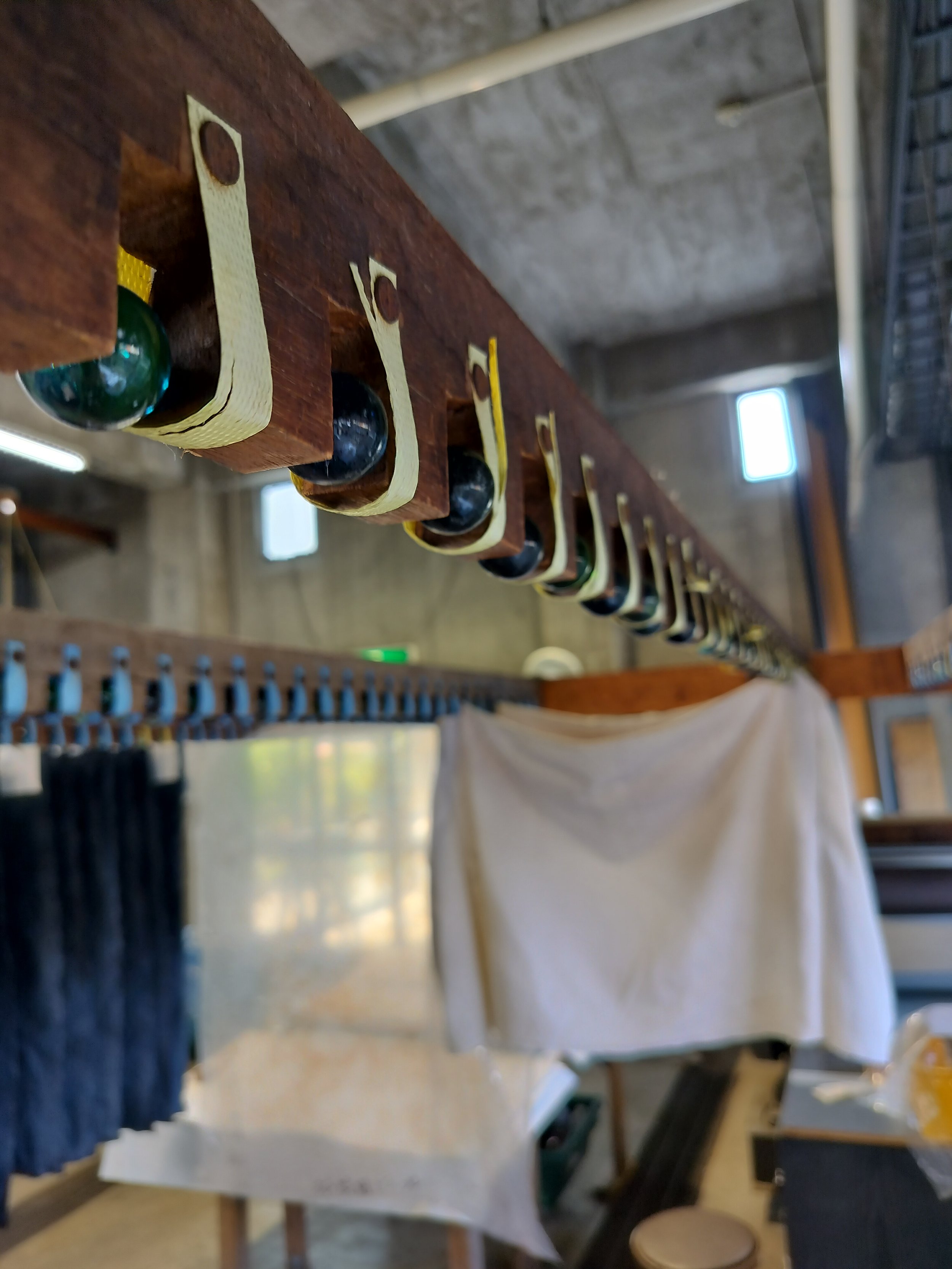
(Snapshot of the workshop)
This station was for speeding up the drying process. After carefully transferring your wet paper from your frame onto the hot surface, you then used one of the rollers to press and squeeze excess water out of the paper. (You can see a few wet drops on the ground below.) It was very hot so you had to take care when placing and removing your paper.
It had been years since I had been in a workshop. The nostalgia that swept over me as I looked out at the rest of the workshop from the little corner they had designated for us and watched the Awagami Factory workers go about their work in this shared space… My chest swelled. I had missed this atmosphere. It sent me back to when I was still in college and I’d walk into my year’s studio and greet whoever was there and have a walk around, peeking at whatever they were working on, before sitting down at my own station and getting to work. A shared space where you were together but also separate, all working towards a goal…
I had nearly forgotten what it was like.
Since then, I exclusively want to use their paper. Even my latest printed edition Ah, My Joints! was printed on their Okawa Select paper. I also want to go back to learn more. To make my own set of papers (much better one that what I produced in this session) and create a body of prints that are only printed on that paper.
Mickey and those workers probably don’t remember me. It wasn’t a huge, significant, world changing meeting —but it deeply moved and affected me. It might sound grandiose and dramatic but I felt a deep connection to papermaking after that. After all, printmaking and papermaking are very much intertwined. Both draw their material from trees and the natural world. The roots grow deep.
There is something about creating something with your own hands that just can’t be beat.
And that was my papermaking experience.